

In the world of modern dermatology, advancements in technology have revolutionized how we approach skin rejuvenation. Among the most promising innovations is the Fractional CO2 laser treatment, a powerful tool that not only enhances skin texture but also promotes dermal collagen synthesis. This blog explores how Fractional CO2 laser technology works, its impact on collagen production, and the benefits it offers for healthier, youthful-looking skin.
Understanding Fractional CO2 Laser Technology
The Fractional CO2 laser is an advanced, minimally invasive skin treatment designed to target various skin concerns. This technology utilizes carbon dioxide lasers to deliver precise energy beams into the skin, creating microthermal zones of controlled injury. The term "fractional" refers to its ability to treat a fraction of the skin at a time, leaving surrounding tissues intact to promote faster healing.
The laser's targeted energy penetrates the skin's deeper layers, triggering a natural healing response that includes the production of collagen—a structural protein that maintains skin elasticity, firmness, and resilience. This makes the Fractional CO2 laser highly effective for addressing concerns like fine lines, wrinkles, scars, and uneven skin texture.
Collagen: The Skin’s Natural Rebuilder
Collagen is an essential protein found in the dermis, the middle layer of the skin. It provides structural support, helping skin maintain its firmness and elasticity. However, as we age, the natural production of collagen declines, leading to sagging skin, fine lines, and wrinkles. External factors such as sun damage, pollution, and lifestyle habits can further accelerate this depletion.
The Fractional CO2 laser acts as a catalyst for collagen synthesis. By delivering precise thermal energy into the dermal layer, it stimulates fibroblast cells, which are responsible for producing collagen. Over time, the increased collagen levels help restore skin strength, improve elasticity, and reduce the appearance of aging signs.
How Does Fractional CO2 Laser Promote Collagen Synthesis?
The process involves three primary mechanisms:
Controlled Micro-Injuries: The laser creates microscopic columns of thermal injury in the skin, known as microthermal treatment zones. These injuries stimulate the body’s natural healing process, prompting the production of new collagen and elastin fibers.
Tissue Remodeling: The laser-induced heat causes existing collagen fibers to contract, which immediately tightens the skin. Over the following weeks, the newly formed collagen strengthens the dermal structure, leading to smoother, firmer skin.
Cellular Regeneration: The treatment not only stimulates collagen production but also promotes the generation of new skin cells, replacing damaged or aged cells with healthier ones.
Key Benefits of Fractional CO2 Laser Treatment
Skin Rejuvenation: Fractional CO2 lasers are highly effective for reducing wrinkles, fine lines, and age spots, resulting in a more youthful appearance.
Scar Reduction: The treatment is widely used to minimize the appearance of acne scars, surgical scars, and stretch marks.
Improved Skin Texture: By promoting collagen synthesis, the laser smoothens rough patches, reduces pore size, and enhances overall skin tone.
Non-Surgical and Minimal Downtime: Fractional CO2 laser is a non-invasive procedure, making it a safer alternative to surgical skin treatments. While some redness and swelling may occur post-treatment, most patients can return to their daily activities within a few days.
Long-Lasting Results: The collagen synthesis stimulated by the laser continues for months after treatment, providing gradual yet lasting improvements in skin quality.
What to Expect During and After the Procedure
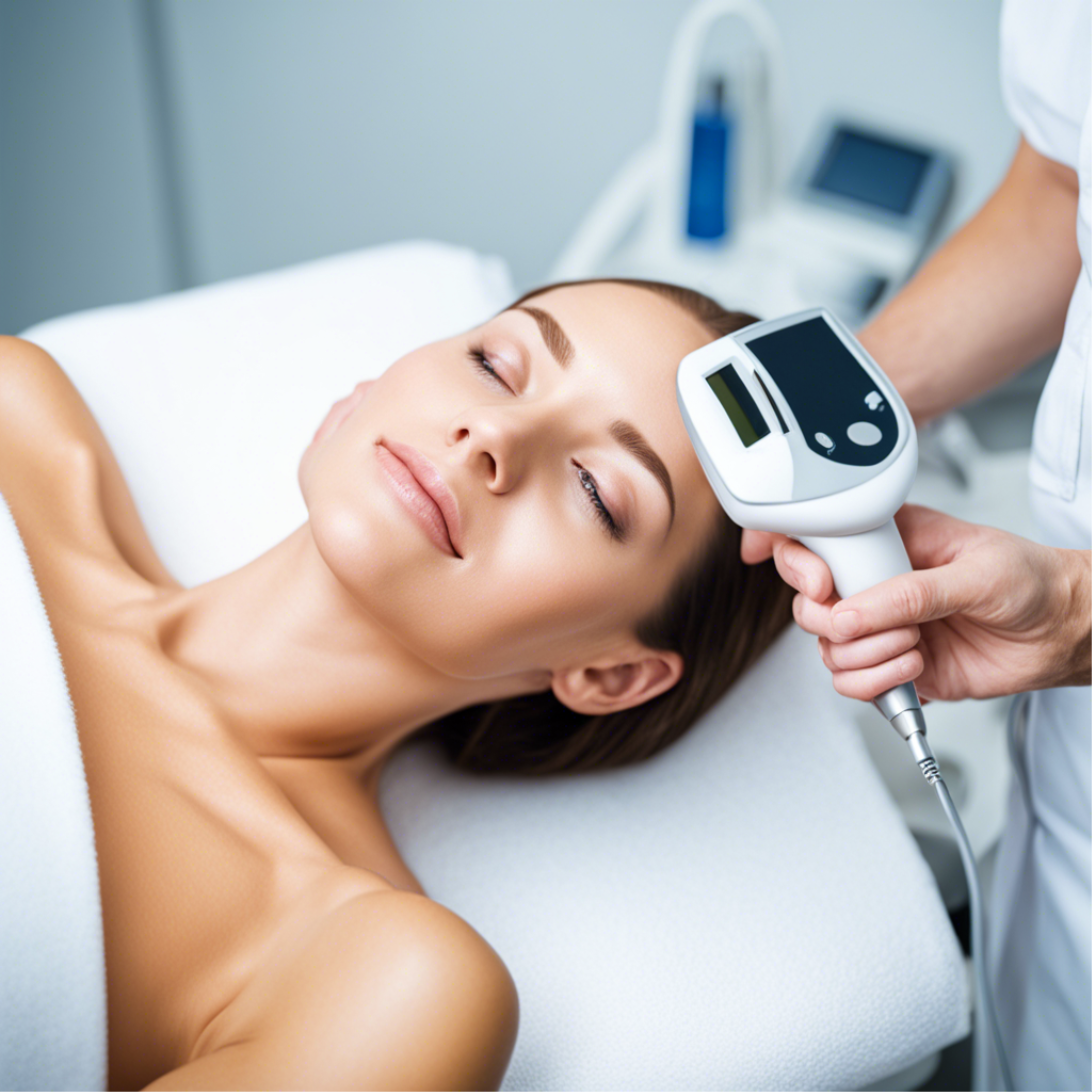
Fractional CO2 laser treatment is typically performed in a dermatologist's office. The procedure begins with the application of a numbing cream to ensure comfort. The laser is then applied to the targeted areas, with the entire process lasting between 30 and 60 minutes, depending on the treatment area.
After the procedure, the skin may appear red and feel slightly warm, similar to a sunburn. Peeling and flaking are common as the skin regenerates. Patients are advised to avoid direct sun exposure and use sunscreen to protect their skin during the healing process. Results become noticeable within a few weeks and continue to improve as collagen production increases.
Is Fractional CO2 Laser Right for You?
This treatment is ideal for individuals seeking to address signs of aging, sun damage, or scars without undergoing surgery. However, it may not be suitable for people with certain medical conditions or very sensitive skin. A consultation with a qualified dermatologist is essential to determine if the Fractional CO2 laser aligns with your skin type and goals.
The Future of Skin Rejuvenation
The Fractional CO2 laser is more than just a cosmetic procedure—it’s a scientific breakthrough in dermatology. By harnessing the body’s natural ability to heal and regenerate, it offers a safe and effective solution for restoring youthful, radiant skin.
As technology continues to evolve, treatments like the Fractional CO2 laser will undoubtedly remain at the forefront of skin rejuvenation, helping individuals achieve their skincare goals with precision and confidence. If you’re ready to embrace healthier, more vibrant skin, consult a dermatologist today and explore the transformative benefits of this innovative treatment.
Conclusion
The quest for youthful, glowing skin is no longer a distant dream. With Fractional CO2 laser treatment, you can unlock the power of collagen synthesis and take a step closer to achieving the radiant complexion you’ve always desired.




Write a comment ...